
Great Wall
Graphene

Graphene
Graphene is an allotrope of carbon in the form of a two-dimensional, atomic-scale, hexagonal lattice in which one atom forms each vertex. It is the basic structural element of other allotropes, including graphite, charcoal, carbon nanotubes and fullerenes. It can be considered as an indefinitely large aromatic molecule, the ultimate case of the family of flat polycyclic aromatic hydrocarbons.Graphene and its band structure and Dirac cones, effect of a grid on doping.
Graphene has many unusual properties. It is about 200 times stronger than the strongest steel. It efficiently conducts heat and electricity and is nearly transparent. Graphene shows a large and nonlinear diamagnetism, greater than graphite and can be levitated by neodymium magnets.
Graphene is a transparent and flexible conductor that holds promise for various material/device applications, including solar cells, light-emitting diodes (LED), touch panels and smart windows or phones. For example, Graphene-based touch panel modules have been used in volume to cell phone, wearable device and home appliance manufacturers.
|
No. |
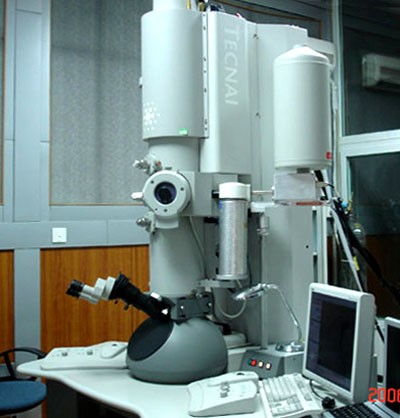
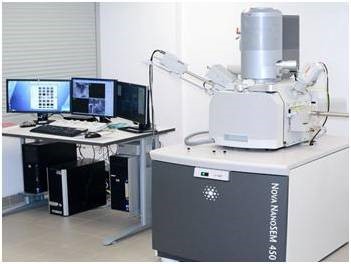
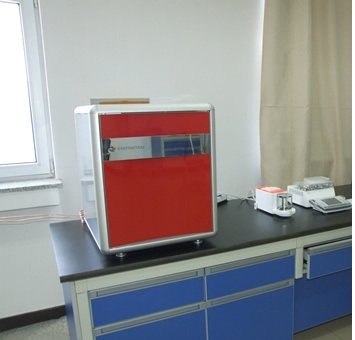
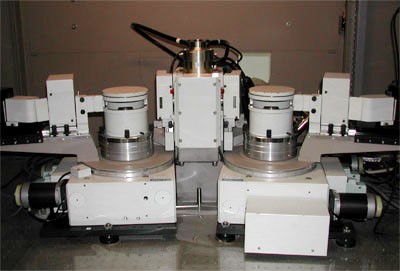
Instrument |
Test item |
Instrument pictures |
|
1 |
High resolution transmission electron microscopy |
Layer |
|
|
2 |
Scanning electron microscope |
Microscopic morphology |
|
|
3 |
Elemental analyzer |
Density Ash Chemical% |
|
|
4 |
X ray diffractometer |
Layers condition |
|
|
5 |
ICP-AES full spectrum direct reading plasma emission spectrometer |
Metal ion content |
|
|
6 |
XPS analyzer |
Carbon oxygen ratio |
|
|
7 |
BET tester |
Specific surface area |
|
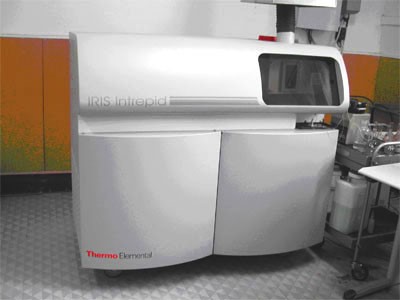
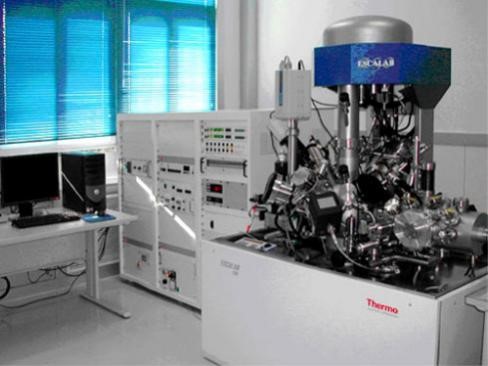
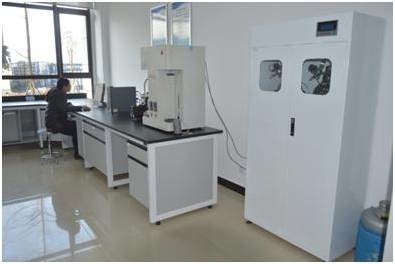
Silicon carbide graphite crucible for melting metal
The Silicon Carbide Crucible for melting metals and light alloys are manufactured with a silicon carbide mixture on the basis of graphite. Our silicon carbide graphite crucible is ideal for the melting of aluminum, copper and etc. It is a container applied to hold metal for smelting in a furnace and it can withstand the extreme temperatures encountered in smelting metals. The crucible material must have a much higher melting point than that of the metal being melted and it must have good strength even when white hot.
Our silicon carbide graphite crucible have two forming ways: the isopressing forming and Spin-forming.
The features of silicon carbide graphite crucible compared with normal clay-crucible:Long working lifetime: its working lifetime is increased 3-5 times over normal clay-crucible due to the compact body formed under high pressure; High thermal conductivity: high-density body with low apparent porosity greatly improve its heat conductivity, the thermal conductivity remains stable throughout their usage;New-style materials: new heat conduction materials ensure faster heat transference, reduces adherent slag and pollution, the moisture does not affect them at all and, therefore, they should not be preheated or annealed, they always go to the fire as they leave the packing, without any thermal precaution;Excellent corrosion resistance at high temperature.: better anti-corrosion than normal clay-crucible;Resistance to oxidation: advanced process dramatically improves its oxidation resistance, which ensure persistent heat conductivity and long working lifetime,their shape and sizes do not alter through usage.
We usually use the size no. to represent melting capacity of copper in kilo. The silicon carbide graphite crucible is suitable for melting such metals as copper, gold, silver, zinc, Aluminium, lead .etc. We also can customize the silicon carbide graphite crucible for the customers according to the detailed requirements. Pleases contact us if you are interested in our silicon carbide graphite crucible.
The reasons for the rising price of graphite electrode in China
The Chinese domestic price of graphite electrodes is in a rising trend currently. The Deputy Secretary General Liu Ronghua from China Non-Metallic Materials Industry Association graphite Specialized Committee said: “ Due to shortage of supply side, graphite prices or continuous phenomenon. " “ the main reasons are the impact of environmental protection factors, many enterprises stop production, coupled with the electrode production cycle is relatively long, at least 3 months or more, so the market is in short supply, some enterprises have money but will not take delivery.". Before the sale of goods, the money can not be received, and now is the seller's market, it must have the dvance money."
This year, affected by environmental inspectors, the graphite electrode production enterprises which are from Hebei, Shandong and Henan Province are in limited production and production stopped situation, the Agency predicted the annual output of 500 thousand tons or less; at the same time, the reform of the steel which are made from iron and steel scrap and melted by induction furnace leads to the demand of arc furnace increased , expected annual demand may reach 600 thousand tons of graphite electrodes.
The electric arc furnace replace frequency furnace leads to incremental demand: since the end of last year banned furnace events across the country, at the beginning of this year , the government clearly completely banned all iron and steel scrap steel production capacity before the end of June , a corresponding increase in demand to replace the electric arc furnace.
Up to now, some parts of Henan graphite electrode enterprises are still limited production 20%, Shandong Enterprises Limited production of 30%, the national environmental factors involving production stopped or production reduced capacity of 20-30 tons. Follow up with the environmental group gradually entered the local supervision ,the enterprises resume production is still in large resistance in short-term.
The raw material and production factors further exacerbated the tight supply situation: the graphite electrode production cycle is at least 4 months or more, the superposition of stocking cycle, it probably need about half a year, although since April this year, prices began to rise sharply, but the short term is difficult to volume.
Research progress in processing technology of graphite materials
The graphite material has the characteristics of ablation resistance, thermal shock resistance and so on. It is used in the long tail nozzle of air to air missile, and is the main material for the structural parts of the engine throat. The requirements of the parts size and appearance of high technology, but because of its special material, cutting performance, processing quality, especially in the easy processing of edge collapse defects, these have become a bottleneck of non metal processing.
In recent years, various types of engines, long tail nozzle, graphite parts processing tasks heavy, high technical requirements. Based on the analysis of the scrap graphite parts for the past year, it is found that the scrap produced by the part of the workpiece is about 20%., because the material is difficult to be machined and the processing efficiency is low, which makes the production progress of the parts seriously affected.
In order to solve the problem of edge collapse graphite parts as soon as possible, improve the production efficiency of graphite parts, based on a certain type of air-to-air missile, and the front thimble throat component shell combination and other mechanical processing as the research object to conduct technical research, explore the Shi Mocai material processing technology from the aspects of processing method, cutter and its cutting parameters, solve the problem of machining parts of compacted graphite. Non metal processing technology, has important significance for scientific research and production tasks successfully completed.
Cubic boron nitride is prepared by high temperature and high pressure. The material is a kind of six party boron nitride with a similar structure to graphite. Compared with synthetic diamond, this material has a lower hardness, but it has good thermal stability. It is suitable for processing ferrous metals and difficult to process materials. Cemented carbide has higher hardness and better wear resistance, but it is hard to sharpen the blade. Therefore, three kinds of cutting tools, such as synthetic diamond, cubic boron nitride and cemented carbide, are chosen for cutting comparison. In order to choose the appropriate cutting parameters corresponding to the three cutting tools, a thorough cutting test was carried out: Due to the speed limit of the machine itself, the linear speed of cutting can be between 130m/min~150m/min.
In summary, we can see that:
(1) the machining of graphite parts adopts diamond cutting tools, the processing effect is better, and the durability is the highest.
(2) graphite material should be processed with low speed, small feed, cutting parameters, roughing and finishing methods, not only can prevent the collapse of the edge, but also more conducive to improving tool durability.
(3) the method of "parallel cutting" can guarantee the surface quality of parts and improve the processing efficiency.
Carbon-carbon composite material
The carbon / carbon composites(we also named it as C-C composite or carbon-carbon composite material) is the carbon fiber and its fabric reinforced carbon matrix composites. It is one of the few alternative materials currently used in more than 1650 °C, the highest theory temperature is higher than 2600 °C , so it is considered to be one of the most future development of high temperature materials with low density (<2.0g/cm3), high strength, high modulus, high thermal conductivity, low thermal expansion coefficient, good friction performance, and good thermal shock resistance, dimensional stability, etc., Carbon carbon composite can be used for Vacuum Furnace, High Temperature Sintering Furnace, Solar Silicon Furnace, crystal growth furnace, inert atmosphere furnaces, semiconductor furnace, multicrystalline Directional Solidification System (DSS), DSS furnaces.
As all we known , the graphite and carbon products will occur oxidation reaction occurs in the environment of oxygen when it is higher than 400 °C temperature , it will cause material performance degradation. Although the carbon / carbon composites have many excellent properties at high temperature as we mentioned , but the carbon / carbon composite application of aerobic environment must have the oxidation protection at high temperature.
The oxidation protection of carbon / carbon composites mainly have the following two ways, it can take the matrix modification and surface activity at low temperature, passivation of carbon / carbon composites for protection; with the increase of temperature, methods must be used to prevent direct contact of coating of carbon / carbon composite materials with oxygen in order to achieve the purpose of protection, oxidation. The most widely used is the coating method, with the continuous advancement of technology, the carbon / carbon composite ultra high temperature properties are dependent on the more and more, and in the high temperature conditions the only feasible oxidation protection scheme is only the protective coating.
Our company have 2.5D , 3D , 4D carbon / carbon composite materials and can manufacture them to the parts due to their unique properties, our carbon / carbon composite materials and parts has been widely used in aerospace, automotive, medical and other fields, such as rocket engine nozzle and throat, the shuttle's end cap and the leading edge of the wings of the aircraft brake disc thermal protection system, etc..
The baking method and application requirement of graphite electrode
Graphite electrode is mainly made from petroleum coke and needle coke an make the coal tar pitch as the binder, through calcination, mixing, kneading, pressing, baking, graphitization, and machining , it is a conductor in an electric arc furnace to form arc release electricity for heating and melting of the charge, it can be divided into ordinary power, high power and ultra high power according to the quality index level. The graphite electrode mainly includes ordinary power graphite electrode, oxidation resistant coating, graphite electrode, high power graphite electrode and ultra high power graphite electrode .
In order to make the graphite electrode with a series of physical and chemical properties when we used it , the asphalt binder decomposition and polymerization, internal rearrangement reaction and various molecules, we must baking the electrode green roasting according to a certain technological condition, the formation of coking coking binder, aggregate particles in the network, all the links aggregate particles of different size firmly together, in order to make the electrode has a certain mechanical strength, heat resistance, corrosion resistance, good thermal conductivity of finished products or semi-finished products. The main purpose of roasting is to remove volatile matter, reduce specific resistance, fixed geometry, binder coking, and the volume is fully contracted.
The application requirement of graphite electrode: screwing the joint end into the hole of the spare graphite electrode carefully(we don’t recommend to joint electrode on the replaced graphite electrodes from furnace directly),it shouldn’t collide the threads; the electrode sling (recommended spreader of graphite material) electrode hole screwed into the standby electrode at the other end of the lifting electrode; when the pad to spare joint soft electrode end of the ground to prevent damage joints; with a hook into the spreader rings after lifting, lifting the electrode to smoothly, preventing the electrode from B and other loose or fixed device collision.
Application of graphene in battery
Similar to the super capacitor, ultra-thin graphene nano materials excellent conductivity can form two-dimensional conductive contact with the particle electrode active material of lithium ion battery, constructing three-dimensional conductive network in the electrode, which can greatly improve the battery performance. The experimental results show that graphene conductive additives can greatly reduce the internal resistance of battery, improve the high rate charge and discharge performance of the battery, and prolong the battery cycle life; also can increase the capacity of active material g play, so as to improve the battery capacity; can also reduce the amount of conductive agent, is conducive to the design of high energy density batteries; in addition, containing graphene the conductive agent battery in high rate discharge in the process of heating is relatively small, the surface temperature of the battery is relatively lower, which is conducive to improving the safety of the battery.
Taking commercial lithium iron phosphate material as an example, low conductivity is the most important factor restricting its electrochemical performance. Based on the excellent conductivity of graphene, Liu Zhaoping proposed a new method for the modification of lithium iron phosphate by using graphene instead of conventional pyrolytic carbon. The synthesis of graphene / LiFePO4 composite cathode materials with spherical micro nano structure, including graphene uniformly coated lithium iron phosphate nanoparticles, and the formation of a three-dimensional conductive network in the two micron particles (Figure 3). Compared with carbon coating, graphene modification can significantly improve the rate performance and cycle stability of lithium iron phosphate. The work also provides useful guidance for the structural design and modification of other electrode materials.
In addition, graphene can also be coated on the foil collection fluid to form graphene functional coating aluminum foil. The coating using conductive graphene excellent and unique two-dimensional nanostructure, can significantly reduce the interfacial resistance between sheet and foil, and can improve the binding force between the active material and the current collector, and the collector can inhibit corrosion in a certain extent, so the new type collector can make the battery rate discharge capacity and cycle life has been further improved.
Graphene material has entered the stage of application and verification of downstream battery enterprises, but its cost problem still restricts its large-scale application. Although the cost of graphene has been greatly reduced in recent years, there is still a big gap compared with the traditional conductive carbon black and graphite. In the lithium industry severe downward pressure of the environment, the problem of graphene is still the development of low cost and high quality to be solved.
The using method of graphite electrode
1. Brief introduction of graphite electrode
Graphite electrode is mainly in the petroleum coke and needle coke, coal tar pitch as binder, calcinations, mixing, kneading, pressing, baking and graphitization, and made the processing machine, is a conductor in an electric arc furnace to form arc release electricity for heating and melting of the charge, according to the quality index level, can is divided into ordinary power, high power and ultra high power.
2. graphite electrode instructions
A. wet graphite electrode, use before drying.
B. Remove the foam protection cap on the spare graphite electrode hole and check the integrity of the screw inside the electrode hole.
C. compressed air oil and water to clean up the spare graphite electrode surface and the hole threads; avoid using wire or metal brush cleaning cloth regiment.
D. Carefully turn the connector into one of the electrodes of the spare graphite electrode (not recommended to be mounted directly onto the electrode in the furnace) and shall not impact the thread.
E. The electrode sling (graphite spreader is recommended) is screwed into the electrode hole at the other end of the standby electrode.
F. lifting the electrode, the electrode to the standby pad fluffer joint end, to prevent the ground damage joints; rings with a hook into the spreader after lifting, lifting the electrode to smooth, prevent the electrode from B and other loose or fixed device collision.
G. the electrode to be connected to standby hanging above the electrode, electrode alignment hole slowly after falling; rotating standby electrode, the spiral hook electrode together with rotation in two decline; the electrode surface is 10-20mm, again with the compressed air cleaning electrode two and exposed part of the joint end; at last completely decentralized electrode. Not too hard, otherwise because of violent collision, will cause the thread electrode hole and joint damage.
H. Use the torque wrench to reserve the electrode until the ends of the two electrodes are in close contact (the gap between the electrode and the joint is less than 0.05mm).
Graphite is very common in nature, and graphene is the highest intensity substance known to man, but scientists may still take several years or even decades of time, to find a way to change the graphite into a large high quality graphene thin film, which can manufacture all kinds of useful substances for human use. According to scientists, in addition to graphene is strong, the one and only has a series of characteristics, graphene or conductive properties of the currently known excellent material, which makes it has great application potential in the field of microelectronics. Researchers even see graphene as a replacement for silicon and can be used to produce supercomputers in the future.
The brief introduction of grapheme
Graphene is an allotrope of carbon in the form of a two-dimensional, atomic-scale, hexagonal lattice in which one atom forms each vertex. It is the basic structural element of other allotropes, including graphite, charcoal, carbon nanotubes and fullerenes. It can be considered as an indefinitely large aromatic molecule, the ultimate case of the family of flat polycyclic aromatic hydrocarbons.Graphene and its band structure and Dirac cones, effect of a grid on doping
Graphene has many unusual properties. It is about 200 times stronger than the strongest steel. It efficiently conducts heat and electricity and is nearly transparent.[3] Graphene shows a large and nonlinear diamagnetism,[4] greater than graphite and can be levitated by neodymium magnets.
Scientists have theorized about graphene for years. It has unintentionally been produced in small quantities for centuries, through the use of pencils and other similar graphite applications. It was originally observed in electron microscopes in 1962, but it was studied only while supported on metal surfaces. The material was later rediscovered, isolated, and characterized in 2004 by Andre Geim and Konstantin Novoselov at the University of Manchester. Research was informed by existing theoretical descriptions of its composition, structure, and properties. This work resulted in the two winning the Nobel Prize in Physics in 2010 "for groundbreaking experiments regarding the two-dimensional material graphene."
Graphene is a transparent and flexible conductor that holds promise for various material/device applications, including solar cells, light-emitting diodes (LED), touch panels and smart windows or phones. For example, Graphene-based touch panel modules produced by a China-based company (2D Carbon Graphene Material Co., Ltd) have been sold in volume to cell phone, wearable device and home appliance manufacturers.
The toxicity of graphene has been extensively debated in the literature. The most comprehensive review on graphene toxicity summarized the in vitro, in vivo, antimicrobial and environmental effects and highlights the various mechanisms of graphene toxicity.[290] The toxicity of graphene is dependent on factors such as shape, size, purity, post-production processing steps, oxidative state, functional groups, dispersion state, synthesis methods, route, dose of administration and exposure times.
Graphene nanoribbons, graphene nanoplatelets and graphene nano–onions are non-toxic at concentrations up to 50 µg/ml. These nanoparticles do not alter the differentiation of human bone marrow stem cells towards osteoblasts (bone) or adipocytes (fat) suggesting that at low doses graphene nanoparticles are safe for biomedical applications. 10 µm few-layered graphene flakes were able to pierce cell membranes in solution. They were observed to enter initially via sharp and jagged points, allowing graphene to enter the cell. The physiological effects of this remain uncertain, and this remains a relatively unexplored field.
Application of graphite material in photovoltaic industry
Graphite materials can be divided into natural graphite and artificial graphite, natural graphite powder and because more shape so its application is limited, so the development of high pure graphite becomes more and more important; the application of high purity graphite in the photovoltaic production with the rapid development of photovoltaic industry in recent years and the rapid warming.
With the rapid development of solar photovoltaic industry, the import of raw materials and polysilicon monocrystalline silicon solar battery demand is increasing in recent years, a large scale production of monocrystalline silicon polysilicon processing factory and processing factory as needed so like bamboo shoots after a spring rain built; production of monocrystalline silicon and polycrystalline silicon raw materials are increasing, and the high pure graphite is the raw material an important one, the development of high pure graphite also promote high-quality silicon and polysilicon production, therefore high purity graphite plays an important role in the photovoltaic industry.
With the continuous development of solar photovoltaic industry, the production process of solar energy photovoltaic materials in the raw material needs are also increasing, so according to the development direction of the photovoltaic industry of graphite materials should be studied according to the characteristics of the photovoltaic industry characteristic, its future development direction should be from the following aspects:
Graphite solar photovoltaic industry is in need of superfine, high purity and other characteristics, so it can be fine, high purity as the two core problems of deep processing of graphite to study, have certain effect in different ways on the purification process of crushing graphite, stripping is conducive to the protection of large scale purification of graphite, but the grinding medium corrosion loss directly influences the effect of acid purification method. The comminution and purification process should be designed as the whole process to avoid the interference of human factors and produce high purity ultrafine stone powder.
The current photovoltaic industry in the production of graphite materials resistant to high temperature, but the service life is not long enough, the production of more supplies; hence the need for further development of new graphite material, so that it can maintain the existing high pure graphite high temperature and oxidation characteristics, can enhance the mechanical strength and prolong the service life. This can reduce the amount of graphite consumption in solar photovoltaic production, greatly reducing the cost of solar photovoltaic production.
To carry out the research and application of high pure graphite composite materials, carbon materials, high purity graphite and isostatic graphite materials such as more and more are studied, some properties of the high pure graphite could improve materials used in photovoltaic industry production, the high pure graphite material as the foundation of the material is improved the mainstream of the future direction of development.
